Content
- What is the Difference Between Accounts Receivable and Accounts Payable?
- Accounts Payable Debit or Credit: What is a Normal Balance?
- Revenue
- Accrued Expenses vs. Accounts Payable Example
- Permanent and Temporary Accounts
- Credit normal balance and debit normal balance
- Using the Normal Balance
- Entering a vendor invoice into Accounts Payable

Effective and efficient treatment of accounts payable impacts a company’s cash flow, credit rating, borrowing costs, and attractiveness to investors. Accounting software allows companies to sort its accounts payable according to the dates when payments will be due. This feature and the resulting report are known as the aging of accounts payable. In accounting, debits and credits are the fundamental building blocks in a double-entry accounting system. Depending on the account type, an increase or decrease can either be a debit or a credit.
- Accounts payable turnover refers to a ratio that measures the speed at which your business makes payments to its creditors and suppliers.
- This means that companies are able to pay their suppliers at a later date.
- Cash or bank transfers are the two most common methods that businesses use to make a debit to accounts payable.
- The term accounts payable (AP) refers to a company’s ongoing expenses.
- An agreement between the firm and the seller may take the form of a contract or an agreement, and it is this document specifies the credit conditions to be applied.
- Further, the clerk undertakes the processing, verifying, and reconciling the invoices.
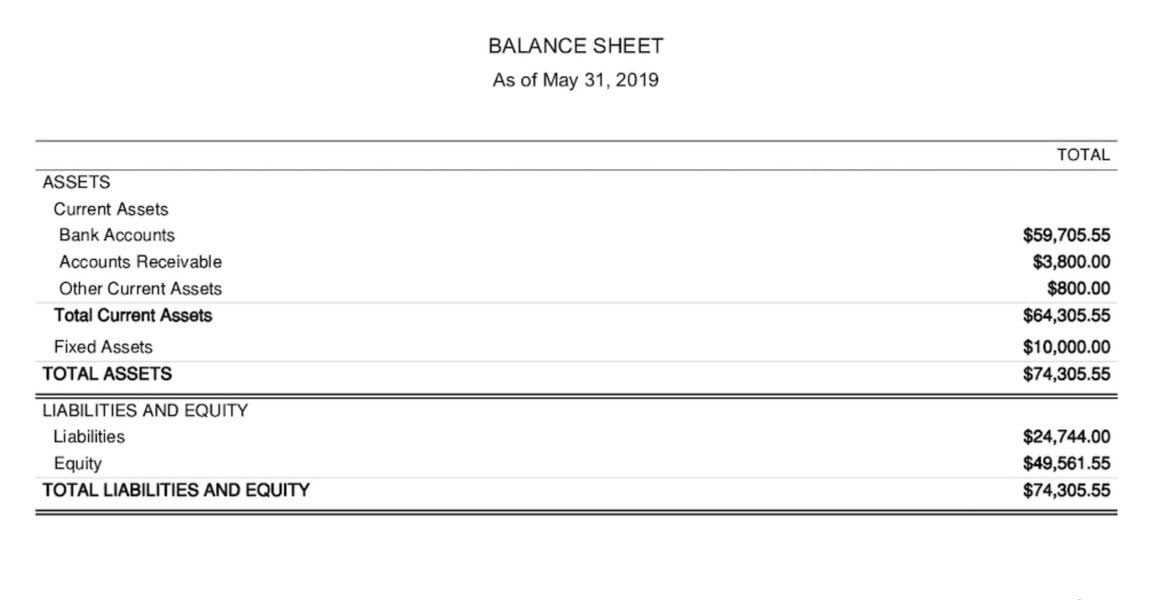
Balance sheets include data up to a certain point, typically the end of a financial quarter or year. Say Robert Johnson Pvt Ltd pays cash within 10 days to take advantage of a 2% discount. https://www.bookstime.com/ In that case, the journal entry in the books of James and Co would be as follows. Therefore, to carry out such a practice, you need to ensure that you have a proper accounts payable team.
What is the Difference Between Accounts Receivable and Accounts Payable?
If the percentage is high, buyers pay their credit card vendors on time. Suppliers may be pushing for faster payments, or the firm may be trying to take advantage of early payment incentives or raise its creditworthiness if the figure is high. A company’s short-term liquidity may be evaluated by calculating a ratio known as accounts payable turnover. This ratio represents the average pace at which a business pays back its suppliers. The accounts payable turnover ratio is a statistic businesses use to gauge how well they are clearing off their short-term debt.

The offsetting credit is made to the cash account, which also decreases the cash balance. A company may have many open payments due to vendors at any one time. All outstanding payments due to vendors are recorded in accounts payable. As a result, if anyone looks at the balance in accounts payable, they will see the total amount the business owes all of its vendors and short-term lenders.
Accounts Payable Debit or Credit: What is a Normal Balance?
The contra account is an account that is usually the opposite of one of the other accounts. An increase in expenses and losses will cause a decrease in cash flow from operations because more cash is going out than coming in. A healthy company will have more assets than liabilities, and will therefore have a net positive cash flow.
- With Nanonets, you can take a photo of your bill and have it automatically processed — meaning you can spend less time on paperwork and more time running your business.
- Following a weekly or a fortnightly accounts payable cycle can help you avoid late payments.
- Whether you’re an entrepreneur or a seasoned business owner, understanding the normal balance of accounts is crucial to keeping your business’s financial health in check.
- Temporary accounts (or nominal accounts) include all of the revenue accounts, expense accounts, the owner’s drawing account, and the income summary account.
- Ken Boyd is a co-founder of AccountingEd.com and owns St. Louis Test Preparation (AccountingAccidentally.com).
Say, Robert Johnson Pvt Ltd purchased goods worth $200,000 on credit from its supplier. It would record the following journal entry on receipt of goods on credit from its supplier. For instance, normal balance of accounts the Accounts Payable Aging Summary report not only tells you about the vendors to whom you owe money. But, it also reflects the invoices against which your payments are overdue.
Revenue
As the liabilities, accounts payable normal balance will stay on the credit side. On the other hand, the asset accounts such as accounts receivable will have a normal balance as debit. As a result, such a transaction would increase the credit balance of your accounts payable. When you eventually pay your suppliers in cash, your accounts payable balance gets reduced. You need to first calculate the total purchases that you have made from your suppliers. These purchases are made during the period for which you need to measure the accounts payable turnover ratio.
An elongated DPO, resulting from successfully negotiated elongated credit periods with vendors, showcases a company’s negotiation skills and market leverage. In contrast, if the stretch in DPO emerges from internal delays, bureaucratic red tape, or procedural snags, it underscores potential areas of operational improvement. Payments to Suppliers are the total payments made towards settling accounts payable during the period. Understanding normal balance accounting and how to use it gives you an introduction to the basics of double-entry bookkeeping. It’s not much of a challenge to understand which account type a transaction goes towards.
It is important to note that the accounts payable category represents the short-term obligations of your business. For example, imagine a business gets a $500 invoice for office supplies. When the AP department receives the invoice, it records a $500 credit in accounts payable and a $500 debit to office supply expense. This is in line with accrual accounting, where expenses are recognized when incurred rather than when cash changes hands. The company then pays the bill, and the accountant enters a $500 credit to the cash account and a debit for $500 to accounts payable.
- However, say your accounts payable reduce relative to the previous period.
- Under the Net Method, if you pay your supplier within the agreed-upon time period, you get a certain percentage of the discount.
- A chart of accounts is a statement or report that captures all your accounting transactions including accounts payable.
- This includes transactions with customers, suppliers, employees, and other businesses.
Monthly subsidies for public housing and low-income housing aid would be at risk. The Federal Housing Administration would continue to back insured mortgages, and Ginnie Mae would continue to back the secondary mortgage market. New homebuyers in rural areas would not be able to get loans from the Agriculture Department. Meat and egg inspections would continue, but some lab services would be disrupted, making it harder to fight animal diseases. Crop insurance would not be affected, but some loan programs would be. Research, conservation and rural development programs would be shut down.
When a business uses credit to buy supplies, the transaction is recorded in accounts payable. Days outstanding payable (DPO) offers a snapshot of a company’s financial fluidity and operational prowess, reflecting how it manages short-term debts and vendor relations. The accounts’ normal balance is among the most important forms of accounting.